How hybrid work changed employee communication and collaboration
Technology has redefined how employees communicate, collaborate and coordinate in an increasingly hybrid workplace. Julia Pollak, chief economist at ZipRecruiter, and Nicholas Bloom, professor of economics at Stanford University weigh in.
What is the key to mastering hybrid work?
The key to mastering hybrid work lies in prioritizing employee engagement. Companies need to create work environments that cater to the diverse needs of their employees, balancing productivity with satisfaction. This involves understanding the types of tasks best suited for remote versus in-office settings.
How do generational shifts impact hybrid work?
Generational shifts significantly influence hybrid work dynamics. Baby Boomers often value in-person interactions and spontaneous brainstorming, while newer generations have adapted to remote work during the pandemic. This shift raises concerns about mentorship and integration for younger employees who may lack in-person guidance.
What role does technology play in employee satisfaction?
Technology plays a crucial role in enhancing employee satisfaction and productivity in hybrid work environments. Companies like Join Digital provide tech solutions that help tailor workspaces to employee needs, addressing issues such as poor technology and distracting office conditions that can hinder performance.
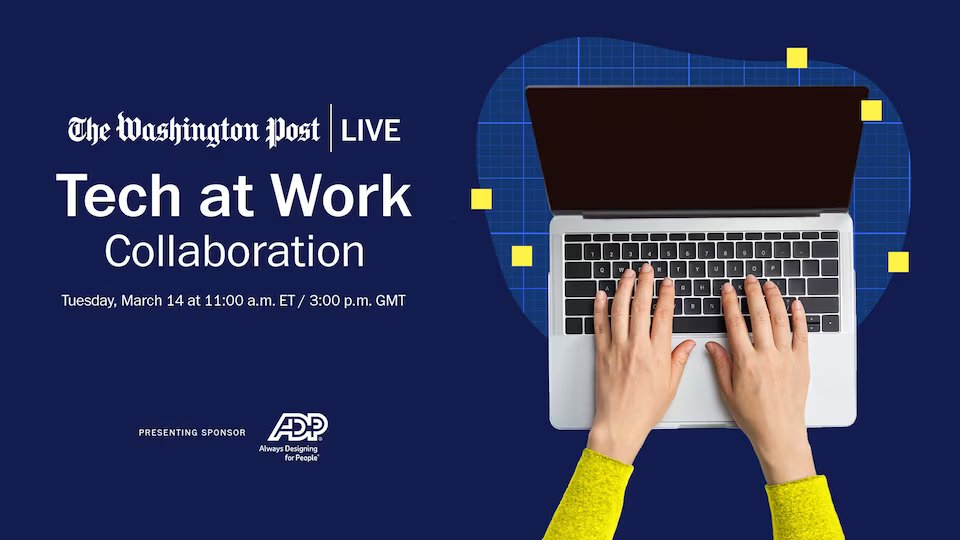
How hybrid work changed employee communication and collaboration
published by Verrex
About Us
Founded in 1947, Verrex is a global leader in designing, integrating, supporting, managing, and deploying audiovisual and unified communication systems and services that allow organizations to thrive within evolving workforces, environments, and work styles. With offices in corporate hubs including New York, Boston, Houston, Los Angeles, London, Hong Kong, and Shanghai, supported by a six-continent allied network, Verrex can deliver AV and UC solutions and products across multiple geographic locations enabling clients to benefit from enterprise standards, uniform administration, and consistent user experiences.



 Sign in with LinkedIn